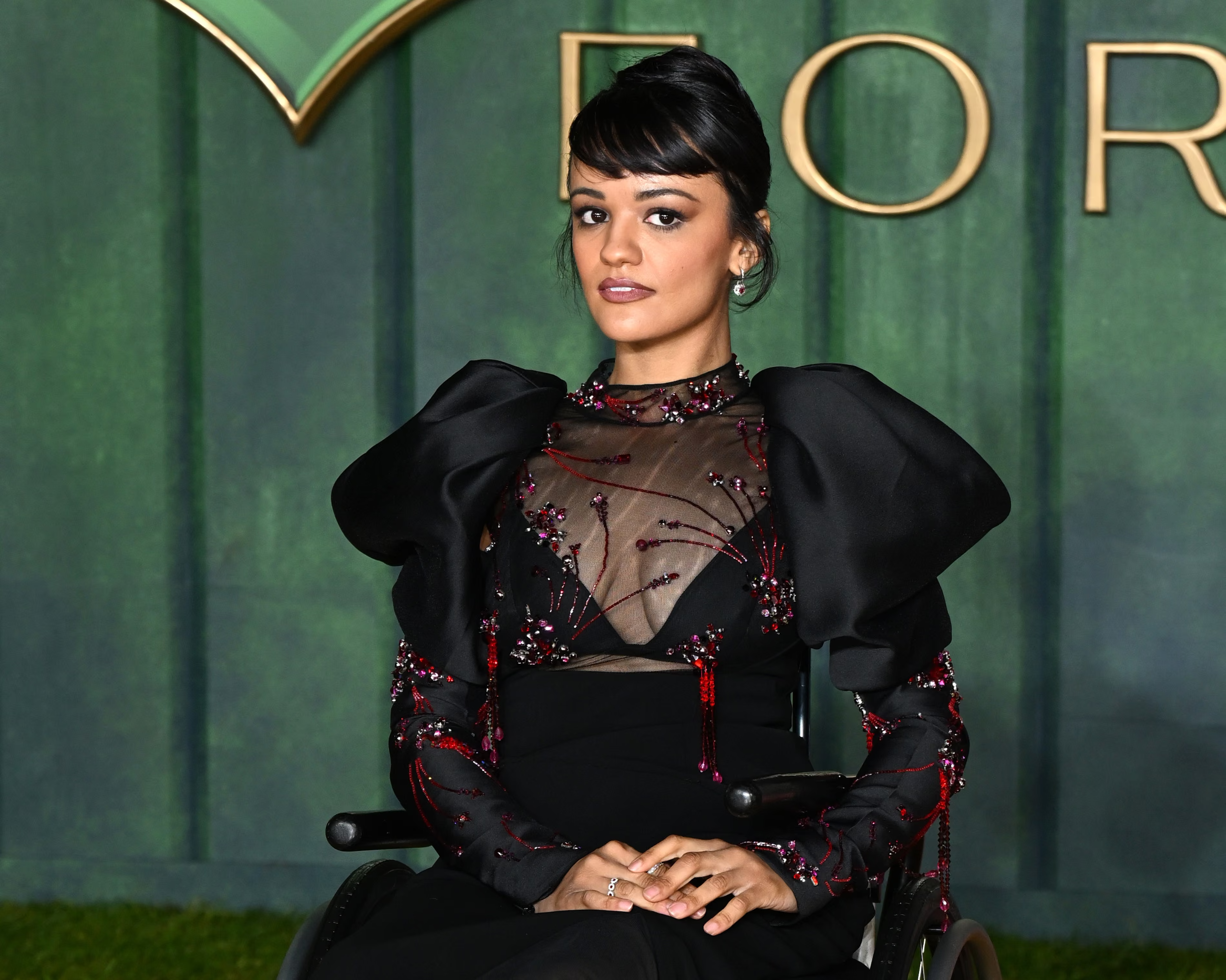
Photograph: Kate Green/Getty Images
Marissa Bode is the first disabled actor to play Nessarose, a key character in the stage turned film franchise – but has had to respond to online abuse
Disabled actor Marissa Bode, who plays the prominent role of Nessarose Thropp in the hit film musical Wicked and its forthcoming sequel Wicked: For Good, has called for improved representation for disabled performers in the entertainment industry – and specifically an end to what activists call “cripping up” – casting non-disabled actors in disabled character roles.
“I really hope my casting sets precedent,” says Bode, adding: “It’s just navigating a world and a system that we have just not been acknowledged in as we should be.” A recent study by the Rudderman Family Foundation found that only 21% of disabled characters on US TV between 2016 and 2023 were played by disabled actors.
When she was cast in Wicked, Bode made history as the first disabled actor to play Nessarose; the character is a wheelchair user, but since the stage version premiered in 2003, only non-disabled actors had played the role. Earlier this year, the Broadway stage production followed suit, casting ambulatory wheelchair user Jenna Bainbridge as Nessarose. Bode is calling on casting directors to follow Wicked director Jon M Chu’s lead to use disabled actors for disabled roles, and also to cast disabled actors in other roles where the character’s physical ability is not specified.
Bode says her experience on the set of Wicked was overwhelmingly positive thanks to the presence of a disability coordinator, Chantelle Nassari, also a wheelchair user, who was tasked with ensuring accessibility on set. “That was one less thing I had to worry about and I could just go in and do the job.” Earlier in her career, Bode says that physical access barriers and a lack of willingness to modify them almost stopped her from performing on stage,“I’ve experienced a lot of inaccessibility in general throughout my life,” she says.
However, after the release of the first Wicked film in November 2024, Bode was targeted on social media. Bode responded on TikTok saying : “Not liking Nessa is OK, it’s totally fine because she’s fictional!” : She added: “Aggressive comments and jokes about Nessa’s disability itself is deeply uncomfortable because disability is not fictional, at the end of the day.”
“Disabled characters deserve to be complex and deserve to be not just one thing. It is this weird cycle of disability being portrayed as bad or society sees disability as bad, therefore it’s projected on to disabled people.”
Bode suggests that people should seek out more information surrounding disability. She credits prominent disabled figures and content creators such as Crutches and Spice, Aariana Rose Phillip, and Aubrey Smalls with inspiring her to use her voice and “just be more unapologetic about it”.
In the future, Bode wants to see more disabled people making their own art. “I think it’s important that we are telling our own stories a lot of the time,” says Bode, encouraging producers to hire and cast disabled actors, writers and crew. “There’s a great community out there.”
Read more about this story here. An account may be required.